

Silent Resistance: The war years of August Vermeylen 1939-1945
August Vermeylen (1872-1945), an art historian, a man of letters and an author, was one of the leaders of the Flemish movement before 1940, the first rector of the University of Ghent when it became a solely Dutch-speaking institution and a socialist senator.
He was barred from holding public office by the Germans during the Second World War. In Hans Vandevoorde’s book Stil verzet. De oorlogsjaren van August Vermeylen 1939-1945, which draws on diaries and other intimate documents, we discover a Vermeylen who continues his work on a novel in isolation. He maintains his network of friends and acquaintances thanks to trips to see concerts and exhibitions and by going for walks in Brussels. He helps Jewish refugees, cares for his family and consistently rejects any collaboration with the Nazis but remains loyal to friends and students who go too far in their admiration for Germany.
Vandevoorde reconstructs the fascinating life story of August Vermeylen just before and during the Second World War thanks to the personal diaries, agendas, notes and many letters of the author, supplemented with information from the personal papers of contemporaries. This original insight into daily life under the occupation reveals the thoughts, everyday concerns and behaviour of a unique man who remained true to his principles.
The AMVB – the Archive and Museum for Flemish Life in Brussels, CegeSoma, and its non-profit association De Vrienden van het CegeSoma organized a conference-debate with Hans Vandevoorde on Thursday 10 October 2024 as part of the Public History Meetings. The author was introduced by An Rydant and took part in a discussion with Koen Aerts. Among other things, they discussed diaries and other ego-documents as sources for historical study: What are the advantages and disadvantages of using them? Are they reliable as sources? What is the role of (self-)censorship and the broader historical context?
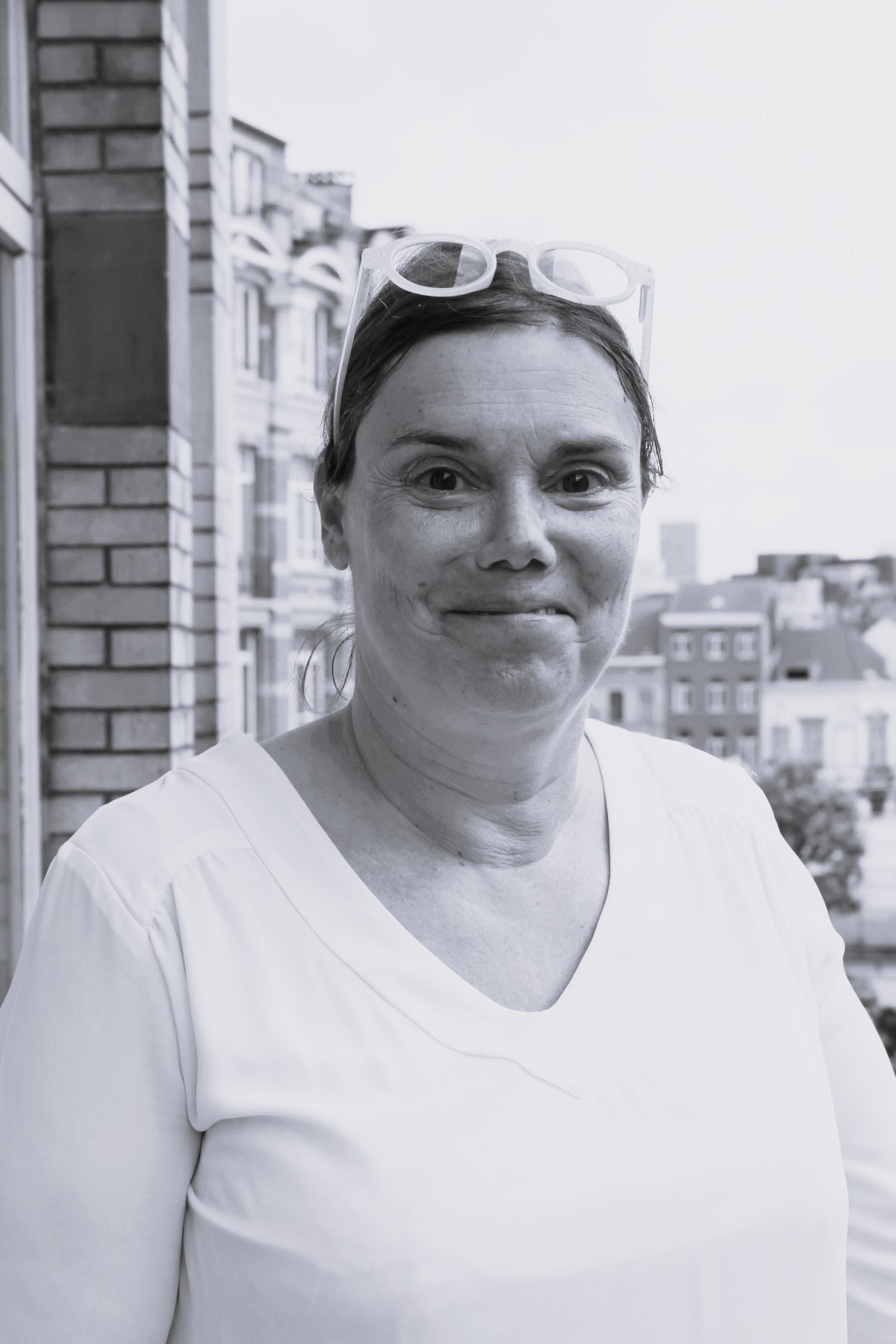 An Rydant is the Director of the AMVB, a pluralistic archive with holdings relating to the history of Flemish life in Brussels from the early 19th century to the present. She studied contemporary history at the Vrije Universiteit Brussel and worked at CegeSoma in 2022 for a project on the Independence Front (FI-OF) in seven central Flemish cities. She was part of a team that was instrumental in launching a project on Second World War diaries (Archiefpunt) and drew on intimate documents herself for a book she has written on the Second World War in Mechelen, which will be published in October.
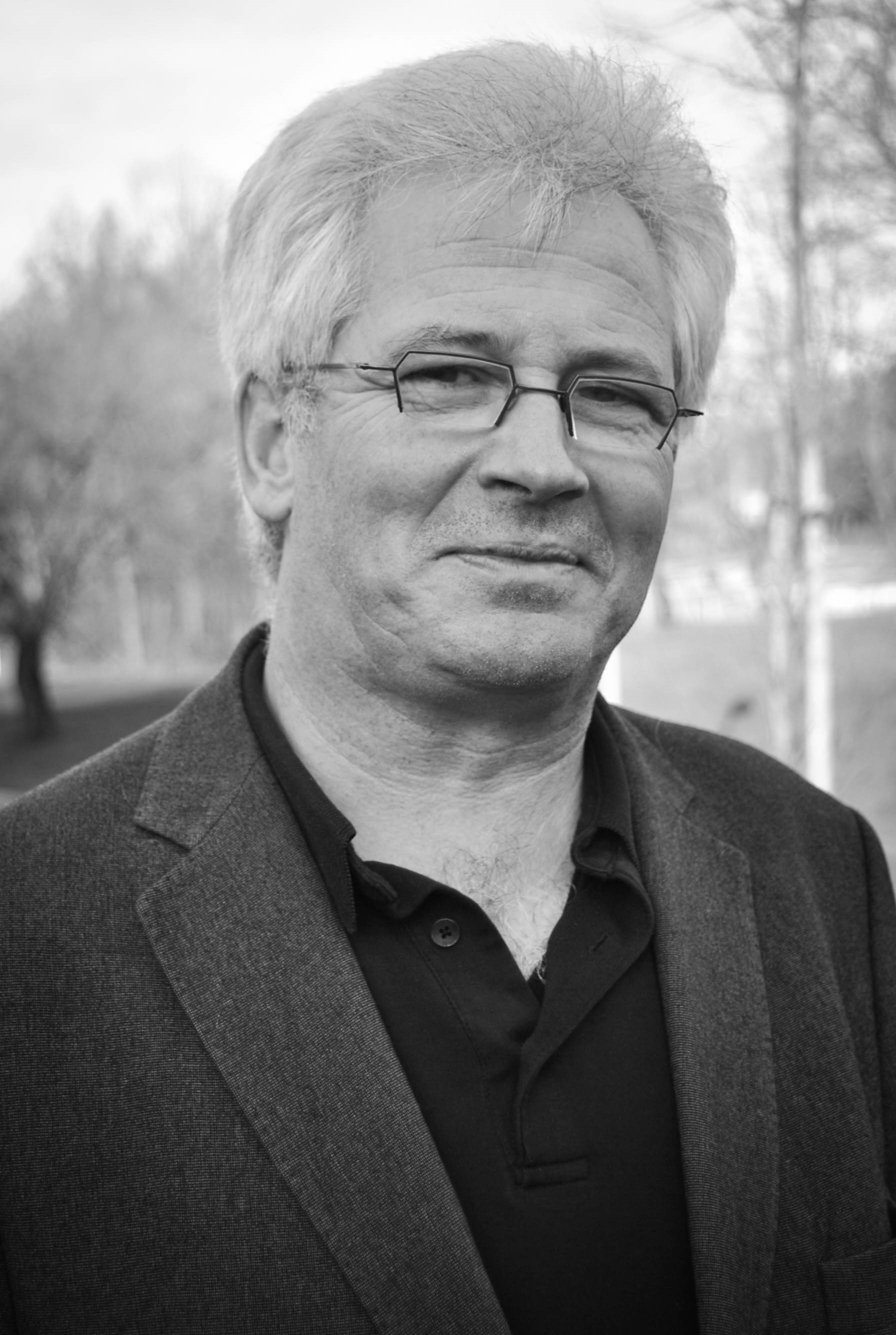 Hans Vandevoorde is a senior lecturer at the Vrije Universiteit Brussel and a volunteer postdoctoral fellow in the Department of History at UGent. He writes on modern Dutch literature and culture. His study on Karel van de Woestijne received a prize from the Royal Academy of Dutch Language and Literature.
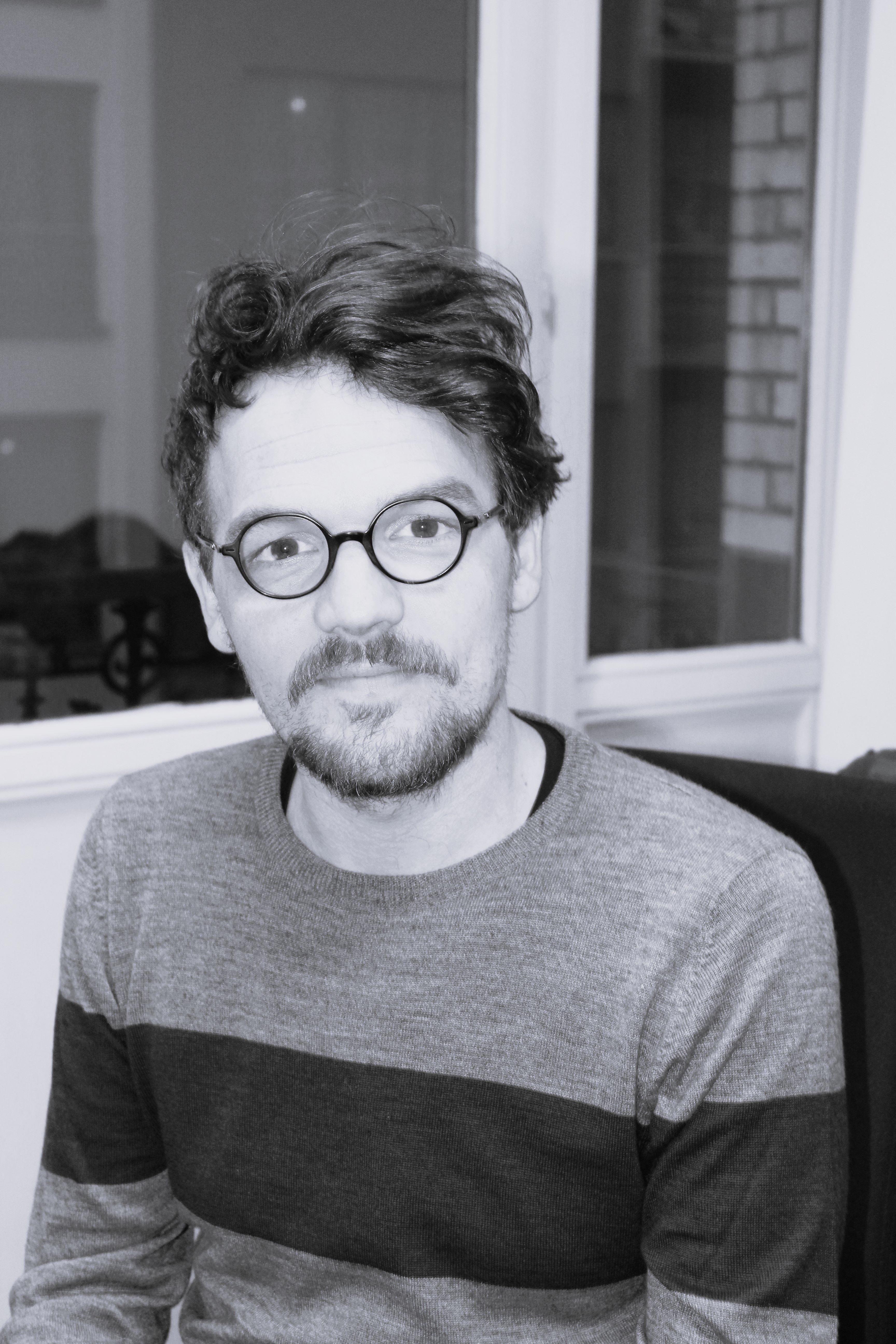 Koen Aerts teaches history at Ghent University. He oversees teaching methodology in the Department of History and Cultural Studies and specialises in the history of the Second World War and its aftermath, collective memory and public history. His research has inspired the TV documentary series Kinderen van de collaboratie and Kinderen van het verzet.