

Commemorating the Holocaust in green spaces: tensions and contestations in London and Amsterdam
Today, all over the world, existing monuments are the subject of debate and contestation. But what about new monuments? Aren't they sometimes controversial even before they exist?
The processes involved in building memorials in the public space are often long and complex. They mobilize many players and unfold in several stages: project conception, search for funding, choice of site and artist, obtaining planning permission, etc. The visions and interests of those involved in this type of process are sometimes fundamentally opposed.
Building a memorial is a complicated, politicized and far from consensual process. To illustrate this point, Alana Castro de Azevedo has carried out a comparative analysis of three concrete cases: the creation of two memorials to the victims of the Holocaust, the Holocaust Namenmonument in Amsterdam the UK Holocaust Memorial and Learning Centre in London, and a memorial to the victims of colonial slavery in Lisbon. Although each project raises specific issues - from the choice of artist, to the location of the memorial, to the influence of citizens and other stakeholders on decisions - what they have in common is that they all provoked controversy.
Beyond a simple description of the issues at stake in each case study, she also asks how to reconcile the work of remembrance with other concerns, such as the preservation of green spaces in urban areas? Who should be involved in these processes? Who holds the decision-making power? Is it possible, through a participatory process, to achieve a unanimously accepted result?
It was these questions, stemming from five years of research carried out as part of her doctoral thesis devoted to analysing the processes involved in creating memorials in public space, that Alana Castro de Azevedo addressed on Thursday 19 June 2025. Her aim was to offer a new perspective on the issues surrounding memorialization in green spaces, while also reflecting on how commemorative processes can be made more inclusive and democratic. She focused more specifically on the memorials of Amsterdam and London. The debate was moderated by Bruno Benvindo.
This event took place in the CegeSoma conference room as part of the Public History Meetings, in partnership with the non-profit organization Les Amis du CegeSoma.

Alana Castro de Azevedo holds a PhD in Political Science from Amsterdam Free University. Her doctoral dissertation, defended in 2025, examines citizen participation in the process of creating memorials commemorating the victims of colonial slavery and the Holocaust, as well as the many conflicts arising from them. From 2016 to 2019, she worked on the implementation of UNESCO's Slave Route project, focused on the identification and valorization of places of memory and heritage sites linked to slavery and the transatlantic slave trade. Since 2024, she has been conducting research at CegeSoma on controversies linked to colonial heritage in the public space, as part of the European CONCILIARE project.
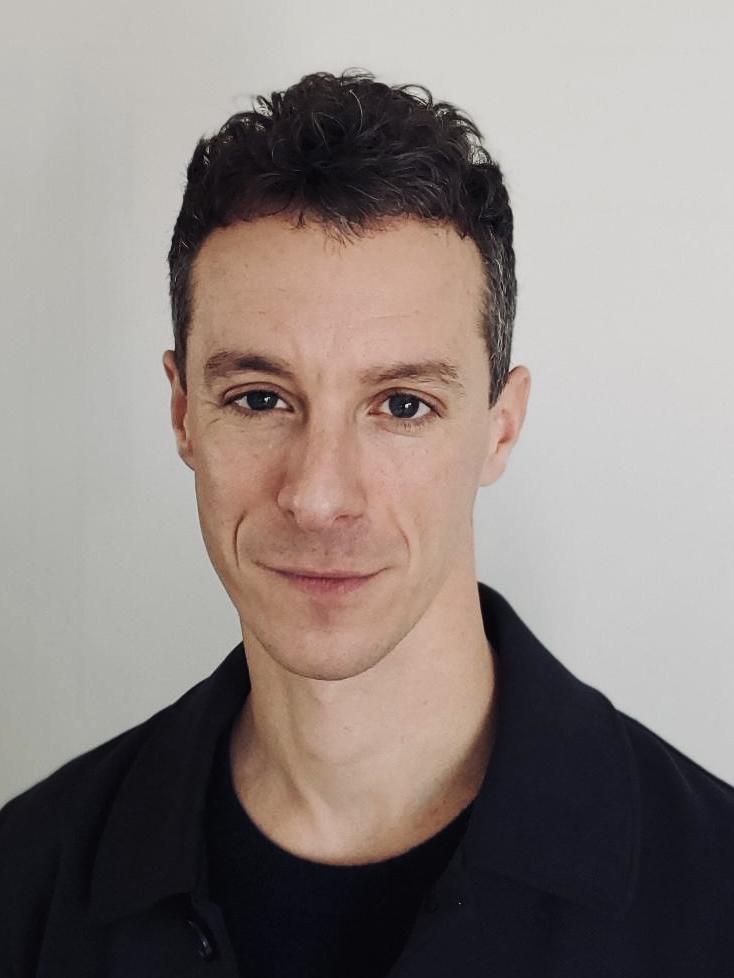
Bruno Benvindo is a historian. He worked as a researcher at Brussels Free University, then at CegeSoma, publishing ‘Henri Storck, le cinéma belge et l'Occupation’ (2010) and 'Décombres de la guerre. Mémoires belges en conflit, 1945-2010' (2012, with Evert Peeters). He is currently Director of Exhibitions at the Jewish Museum of Belgium, where he is developing a program of exhibitions exploring the interface between art and history in the 20th century.